

Pump Tank Station Air Purification: Industrial Wet Scrubber Solutions
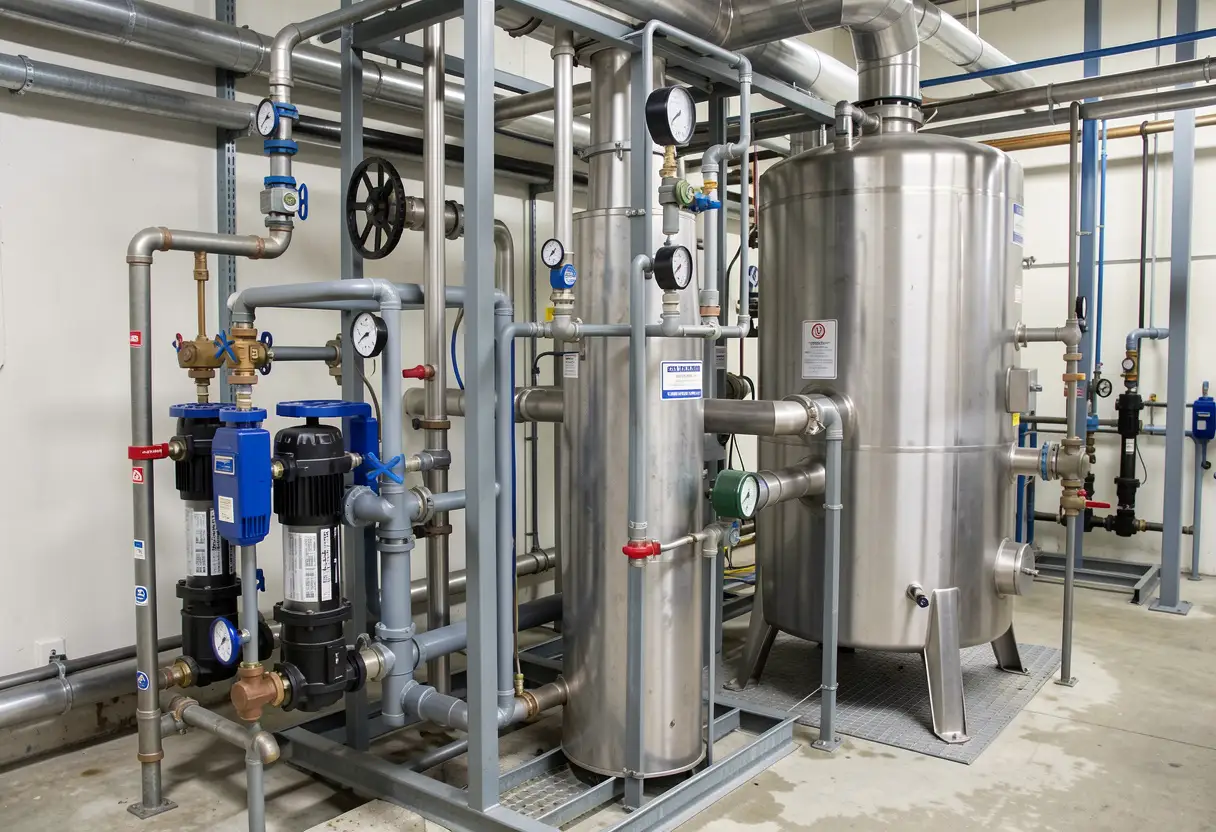
In modern industrial facilities, maintaining clean air quality is not just a regulatory requirement—it’s essential for operational efficiency and worker safety. Pump tank stations, which serve as critical infrastructure in manufacturing, chemical processing, and petroleum facilities, face significant challenges with airborne contaminants, toxic fumes, and particulate emissions. These emissions can compromise both equipment performance and employee health if left unaddressed.
Wet scrubbers have emerged as the industry standard for controlling emissions in these environments, but their effectiveness depends heavily on the quality of air purification filters deployed. For advanced industrial air purification solutions for pump tank stations, explore Torch-Air’s filters, designed specifically for wet scrubbers and large-scale tank facilities. Understanding how these systems work together is crucial for facility managers seeking to optimize air quality while maintaining compliance with environmental standards.
What is a Pump Tank Station?
A Pump Tank Station is a specialized industrial system designed to manage the storage, transfer, and distribution of liquids within manufacturing plants, chemical facilities, and refineries. These stations serve as the central hub for fluid handling operations, controlling the movement of various substances—from water and oils to more hazardous chemicals—through complex piping networks.
The operational demands of pump tank stations create unique environmental challenges:
- Controls fluid distribution in industrial systems, requiring constant monitoring and pressure regulation
- Often connected to wet scrubbers to reduce airborne contaminants generated during pumping and storage operations
- Requires regular maintenance to prevent corrosion, leaks, and air contamination that can affect both equipment longevity and workplace safety
When liquids are transferred or stored, volatile organic compounds (VOCs) and other emissions can escape into the surrounding atmosphere. Without proper air purification systems, these fumes accumulate, creating hazardous working conditions and potentially violating environmental regulations.
The Role of Wet Scrubbers in Air Purification
Wet scrubbers are advanced pollution control devices that use liquid (typically water or chemical solutions) to remove contaminants from industrial exhaust streams. In pump tank station environments, these systems play an indispensable role in maintaining air quality by capturing harmful substances before they can disperse into the workplace or external environment.
The wet scrubbing process works by forcing contaminated air through a liquid spray or mist, which traps particles and absorbs gases. This method proves particularly effective for:
- Capturing particulate matter efficiently, including dust, metal particles, and other solid contaminants generated during industrial processes
- Reducing harmful chemical emissions such as acids, solvents, and volatile organic compounds that commonly occur in tank station operations
- Extending the lifespan of industrial equipment by preventing corrosive substances from damaging pumps, tanks, and ventilation systems
The integration between pump tank stations and wet scrubbers creates a closed-loop system where air quality is continuously monitored and improved. However, the scrubber’s performance is directly tied to the quality and maintenance of its filtration components, making filter selection a critical decision for facility managers.
Advantages of Industrial Air Purification Filters
Specialized industrial air purification filters represent the backbone of effective wet scrubber systems. Unlike generic filtration solutions, industrial-grade filters are engineered to withstand the harsh conditions present in pump tank station environments while delivering consistent performance over extended periods.
The key benefits of implementing high-quality industrial filters include:
- Enhanced air quality: Industrial filters remove toxic gases, chemical vapors, and fine particulate matter that standard systems cannot capture, ensuring compliance with OSHA and EPA standards
- Improved safety: By eliminating hazardous fumes from the workspace, these filters protect workers from respiratory issues, chemical exposure, and long-term health complications
- Operational efficiency: Clean air systems keep pumps, tanks, and scrubbers running smoothly by preventing buildup that can cause clogs, pressure drops, and equipment failures
- Durability: Industrial filters are constructed from materials resistant to chemical corrosion, high temperatures, and moisture, making them ideal for the demanding conditions of tank station operations
- Cost-effectiveness: While the initial investment may be higher, quality filters reduce maintenance frequency, minimize downtime, and extend equipment lifespan, resulting in lower total cost of ownership
Torch-Air provides industrial air purification filters specifically engineered for pump tank stations and wet scrubbers, ensuring top-notch performance even in the most challenging industrial environments. These specialized filters are designed with the unique requirements of liquid handling facilities in mind.
Choosing the Right Filter for Your Pump Tank Station
Selecting appropriate filtration equipment requires careful consideration of your facility’s specific needs and operating conditions. Not all industrial filters are created equal, and the wrong choice can lead to premature failure, inadequate air quality, or excessive maintenance costs.
When evaluating filter options for your pump tank station, consider these essential criteria:
- Material compatibility with chemicals: Ensure filter materials can withstand exposure to the specific substances handled at your facility without degrading or losing effectiveness
- Particle removal efficiency: Look for filters with appropriate micron ratings for the contaminants you need to capture—smaller particles require finer filtration
- Flow capacity: Match the filter’s airflow capacity to your system’s ventilation requirements to avoid pressure drops that reduce efficiency
- Maintenance requirements: Consider how frequently filters need replacement and whether your team can perform the work in-house
- Lifespan and durability: Evaluate expected service life under your operating conditions to calculate true cost of ownership
- Regulatory compliance: Verify that filters meet industry standards and environmental regulations applicable to your sector
Additionally, prefer industrial-grade filters designed specifically for wet scrubber applications over generic alternatives. These specialized units account for the moisture, chemical exposure, and high-volume airflow characteristic of scrubber systems, delivering more reliable performance over time.
Maintenance Tips for Optimal Performance
Even the highest-quality air purification filters require proper maintenance to deliver consistent results. Establishing a proactive maintenance schedule helps prevent unexpected failures, extends equipment life, and ensures your pump tank station continues operating safely and efficiently.
Implement these best practices for filter maintenance:
- Regular inspection for wear and tear: Conduct visual inspections at scheduled intervals to identify signs of damage, corrosion, or excessive loading before they compromise performance
- Timely filter replacements: Follow manufacturer recommendations for replacement schedules, but also monitor pressure differential across filters to detect when changes are needed sooner than expected
- Monitor air quality regularly: Use air quality sensors to track emissions and verify that filtration systems maintain effectiveness between maintenance intervals
- Ensure wet scrubbers are operating efficiently: Check liquid levels, spray nozzles, and recirculation systems to confirm the scrubber itself functions properly alongside filtration components
- Document maintenance activities: Keep detailed records of inspections, replacements, and performance metrics to identify trends and optimize your maintenance schedule
Preventive maintenance costs far less than emergency repairs or regulatory violations resulting from inadequate air quality control. By investing in regular upkeep, facilities maximize return on their filtration investments while protecting both equipment and personnel.
Conclusion
Industrial pump tank stations face unique air quality challenges that demand specialized solutions. The combination of wet scrubbers and high-performance industrial air purification filters provides the most effective approach to managing emissions, protecting workers, and maintaining regulatory compliance in these critical facilities.
By understanding the role of wet scrubbers, selecting appropriate filtration equipment, and implementing rigorous maintenance practices, facility managers can create safer work environments while optimizing operational efficiency. The investment in quality air purification systems pays dividends through reduced equipment downtime, lower maintenance costs, improved worker health, and peace of mind regarding environmental compliance.
To ensure your pump tank station operates safely and efficiently, invest in premium industrial air purification filters from Torch-Air today. With the right equipment and maintenance approach, your facility can achieve superior air quality while maximizing the performance and longevity of your critical infrastructure.