

Suge Knight Net Worth: From Hip-Hop Mogul to Prison
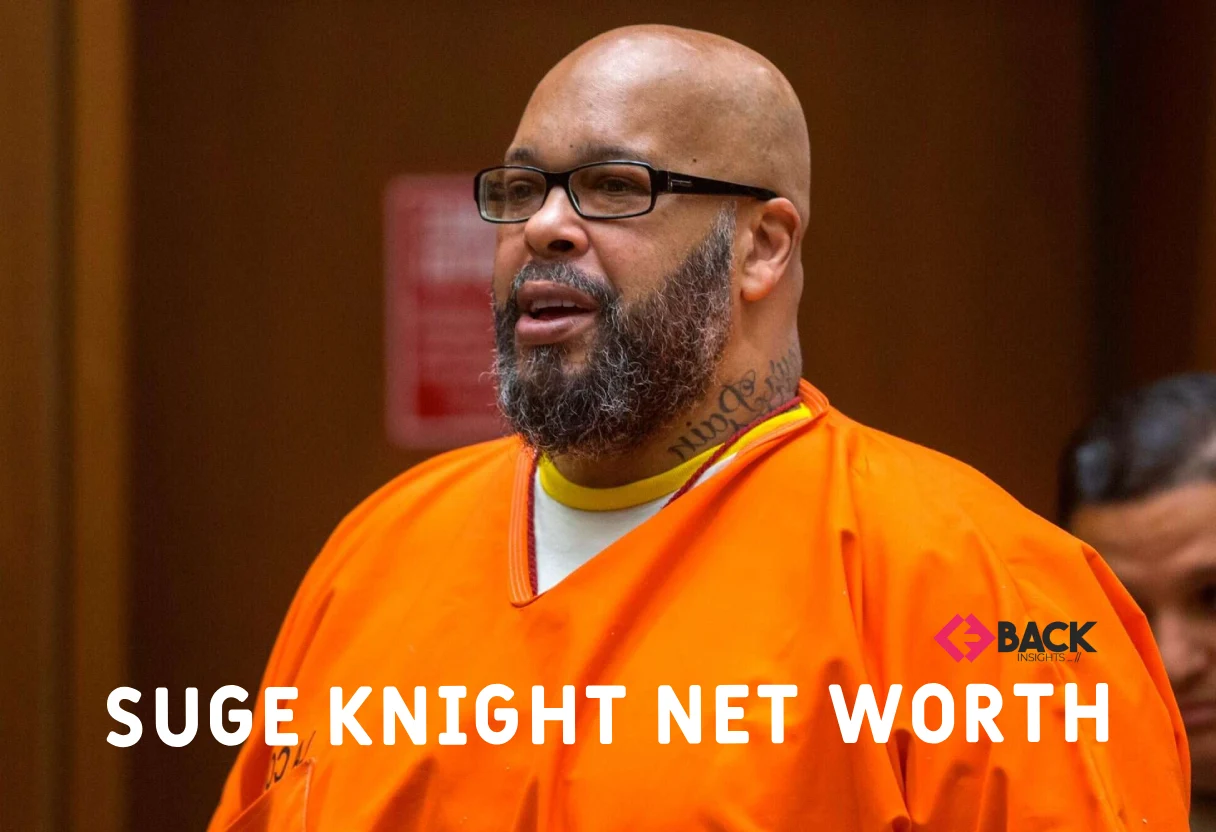
The name Marion “Suge” Knight once commanded fear and respect across the music industry. As the co-founder of Death Row Records, he controlled a $100 million empire and shaped the careers of rap legends. Today, his story serves as a stark reminder of how quickly fortune can disappear.
Suge Knight net worth currently sits at just $200,000, according to multiple financial sources. This represents one of the most dramatic financial collapses in entertainment history. From mansions and luxury cars to a prison cell, Knight’s journey reveals the harsh consequences of legal troubles and poor financial decisions.
What You’ll Learn
This article examines how Suge Knight built his wealth through Death Row Records, the legal battles that destroyed his fortune, and where he stands financially today. You’ll discover the specific events that led to his downfall and what lessons his story offers.
Featured Snippet
Suge Knight’s net worth in 2025 is estimated at $200,000. Once worth over $100 million as Death Row Records CEO, Knight lost his fortune through bankruptcy, legal fees, and a 28-year prison sentence for voluntary manslaughter.
Early Life and Football Career
Born Marion Hugh Knight Jr. on April 19, 1965, in Compton, California, young Suge earned his nickname “Sugar Bear” from childhood friends. His early life showed promise beyond the tough streets of Compton.
Knight excelled as a football and track star at Lynwood High School. He continued his athletic career at El Camino College before transferring to the University of Nevada, Las Vegas. His football skills were good enough to land him a brief stint with the Los Angeles Rams as a replacement player during the 1987 NFL strike.
His football career earned him around $15,000, a modest start compared to what would come. When professional sports didn’t pan out, Knight pivoted to entertainment. He started working security, bodyguarding celebrities like Bobby Brown. This job gave him his first real taste of the music industry.
Building Death Row Records
Knight co-founded Death Row Records in 1991 alongside Dr. Dre, The D.O.C., and silent partner Michael “Harry-O” Harris. Harry-O, then incarcerated for drug trafficking, provided $1.5 million in startup capital. This investment would prove to be one of the most profitable in hip-hop history.
Death Row’s first major release came in December 1992 with Dr. Dre’s The Chronic. The album went on to sell 5.7 million copies worldwide and established the label as a powerhouse. At its peak, Death Row made over $100 million annually.
The label signed a distribution deal with Interscope Records that gave them major label muscle while maintaining independence. This business structure meant bigger profit margins than standard industry deals offered.
The Golden Years
Between 1992 and 1996, Death Row Records dominated hip-hop. The roster included:
- Dr. Dre
- Snoop Dogg
- Tupac Shakur
- Nate Dogg
- Kurupt
- Daz Dillinger
- The Lady of Rage
Snoop Dogg’s Doggystyle and Tupac’s All Eyez on Me became multi-platinum successes. During this period, Knight’s personal wealth soared. He owned multiple properties across California, including homes in Compton and Beverly Hills. His lifestyle included luxury cars, private jets, and lavish parties.
Financial experts estimate Knight’s personal net worth reached between $100 million and $200 million at his peak. The label reportedly generated $750 million in revenue over its first decade.
Legal Troubles Begin
Knight’s aggressive business tactics and alleged gang affiliations attracted law enforcement attention. His first major legal issue came in October 1987 when he was arrested for attempted murder, auto theft, and carrying a concealed weapon. He received two years probation.
The problems continued through the 1990s. In September 1996, Knight was sent to prison for parole violations. His nine-month absence from Death Row proved catastrophic. Without his day-to-day leadership, the label began to crumble.
The murder of Tupac Shakur in September 1996, with Knight present in the car, marked a turning point. Dr. Dre, frustrated with the violence and controversy, left to form his own label. Snoop Dogg eventually followed.
The Financial Collapse
Mounting Debts
By the early 2000s, Death Row’s revenue streams had dried up. Physical album sales declined due to digital piracy. New artist signings failed to replicate earlier success. Legal fees mounted from numerous lawsuits and criminal cases.
In 2003, Knight served time for assaulting a parking lot attendant. In 2005, he was shot multiple times at Kanye West’s pre-VMA party, resulting in medical bills exceeding $200,000.
The biggest financial blow came from a lawsuit by Lydia Harris. In 2005, a court ordered Knight to pay Harris $107 million after she claimed she and her husband had provided Death Row’s startup capital without receiving their share. This judgment proved insurmountable.
Bankruptcy Filing
On April 4, 2006, both Death Row Records and Suge Knight simultaneously filed for Chapter 11 bankruptcy protection. The court paperwork revealed shocking numbers:
| Asset/Debt | Amount |
|---|---|
| Bank Account Balance | $11 |
| Personal Property Value | $1 million |
| Total Debts | $137 million |
| IRS Back Taxes | $12 million |
Among the creditors, Lydia Harris topped the list at $107 million. The IRS wanted $6.9 million. Multiple record labels and former artists were owed millions in unpaid royalties.
On January 15, 2009, Death Row Records was auctioned for $18 million to WIDEawake Entertainment Group. Knight received nothing. Every dollar went to creditors.
The label that once made $100 million annually sold for pocket change. The catalog eventually changed hands several more times before Snoop Dogg acquired it in 2022.
Prison Sentence and Current Status
Knight’s final legal crisis came on January 29, 2015. After an argument on the set of the film Straight Outta Compton, Knight drove his truck over two men. Terry Carter died from his injuries. Cle Sloan survived.
Knight claimed self-defense, but prosecutors charged him with murder, attempted murder, and hit-and-run. In 2018, he pleaded no contest to voluntary manslaughter. The judge sentenced him to 28 years in prison.
He is currently incarcerated at RJ Donovan Correctional Facility in San Diego. He won’t be eligible for parole until October 2034, when he’ll be around 69 years old.
Income Behind Bars
Knight’s current income sources are minimal:
- Prison wages (less than $1 per hour)
- Limited royalties from past music ventures
- Residual business holdings
He hosts a podcast called Collect Call With Suge Knight from prison, though it’s unclear how much this generates. In 2024, he settled a wrongful death lawsuit for $1.5 million related to the hit-and-run, though most of this likely went to the victim’s family.
How Did He Lose Everything?
Multiple factors contributed to Knight’s financial downfall:
Legal Fees: Decades of criminal cases and civil lawsuits drained millions from his accounts. Defense attorneys, settlements, and court judgments consumed his wealth faster than he could earn it.
Imprisonment: His time behind bars prevented him from managing Death Row or pursuing new business ventures. The label lost approximately $6 million annually during his absence, according to bankruptcy filings.
Poor Financial Management: Knight reportedly lost substantial sums through gambling. He maintained an extravagant lifestyle without proper financial planning or diversification.
Failed Investments: Attempts to revive Death Row after his 2001 release failed. None of his new artist signings achieved commercial success.
Asset Seizures: Bankruptcy proceedings and legal judgments resulted in the seizure and sale of his real estate holdings, vehicles, and other assets.
Comparison to Other Hip-Hop Moguls
Knight’s financial trajectory stands in stark contrast to other music executives from his era:
Dr. Dre leveraged his Death Row success into a $500 million fortune, primarily through his Beats Electronics sale to Apple.
Jay-Z built a billion-dollar empire through smart investments, maintaining ownership of his masters and diversifying into various businesses.
Diddy transformed Bad Boy Records into a multimedia empire spanning fashion, spirits, and television.
The key difference? These executives avoided serious criminal convictions and maintained control of their intellectual property. They also diversified their income streams beyond music.
Lessons From His Story
Knight’s rise and fall offers several cautionary tales:
Control Your Distribution: Knight frequently advised artists to maintain ownership and control. This principle remains valid, though he ultimately lost control of his own catalog.
Legal Issues Are Expensive: Criminal cases and civil lawsuits can destroy even massive fortunes. The cost extends beyond legal fees to include lost opportunities and damaged reputation.
Diversify Your Assets: Relying solely on one business venture creates vulnerability. When Death Row collapsed, Knight had no backup income sources.
Violence Has Consequences: Knight’s intimidation tactics and alleged involvement in violent incidents eventually caught up with him. His prison sentence ended any chance of financial recovery.
Frequently Asked Questions
Where is Suge Knight now? He is serving a 28-year sentence at RJ Donovan Correctional Facility in California for voluntary manslaughter. He’s eligible for parole in 2034.
How much did Death Row Records sell for? The label was auctioned for $18 million in 2009 after bankruptcy, a fraction of its peak $100 million annual revenue.
Did Suge Knight have life insurance on Tupac? No credible evidence supports this claim. It remains one of many conspiracy theories surrounding Tupac’s death.
Who owns Death Row Records today? Snoop Dogg acquired the label in 2022 from Blackstone Group and MNRK Music Group.
What was Suge Knight’s highest net worth? Estimates place his peak wealth between $100 million and $200 million during Death Row’s mid-1990s glory days.
Final Thoughts
Suge Knight net worth today represents one of entertainment’s most spectacular financial collapses. From a $100 million empire to $200,000 in assets, his story demonstrates how quickly wealth can vanish without proper management and legal compliance.
Knight’s legacy in hip-hop remains undeniable. Death Row Records shaped West Coast rap and launched careers that changed music forever. But his cautionary tale resonates louder than his achievements. Success without sustainability leads to ruin.
At 60 years old and behind bars until at least 2034, Knight faces a future without the fortune he once controlled. His story serves as a powerful reminder that no amount of success can survive the consequences of violence, poor financial planning, and repeated legal violations.