

Rich Homie Quan Net Worth: Full Financial Story
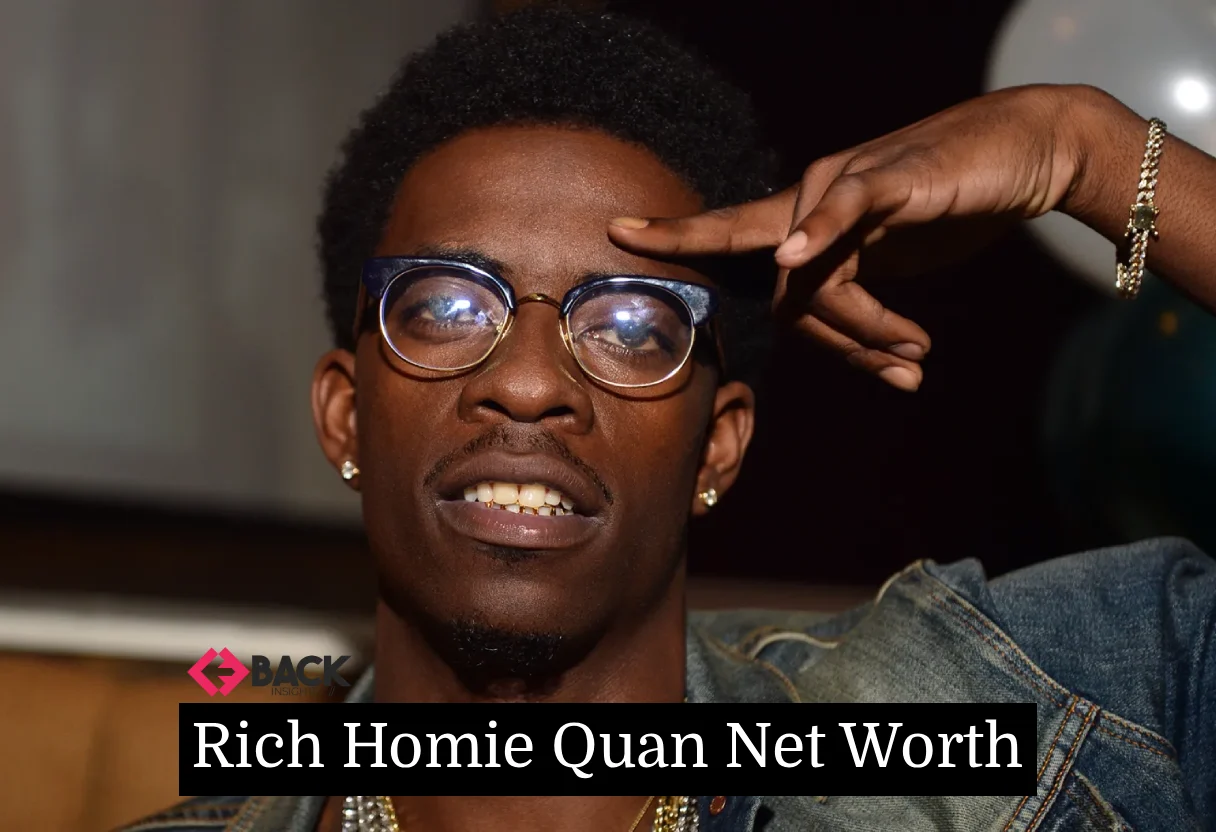
The hip-hop world lost one of Atlanta’s brightest stars on September 5, 2024, when Rich Homie Quan passed away at 34. His death sent shockwaves through the music industry. But beyond the headlines, many fans wondered about the financial success he achieved during his career. Rich homie quan net worth stood at approximately $3.5 million at the time of his death, according to multiple sources.
Born Dequantes Devontay Lamar, the Atlanta rapper built his wealth through hit songs, tours, and collaborations that defined mid-2010s hip-hop. His journey from a 15-month prison sentence to multi-platinum success remains one of the most compelling stories in modern rap.
This article explores how Rich Homie Quan built his fortune, the sources of his income, and the legacy he left behind. You’ll discover the financial impact of his biggest hits, his business ventures, and how he compared to other artists in his era.
Rich Homie Quan had a net worth of $3.5 million when he died in September 2024. The Atlanta rapper earned his wealth primarily through music sales, streaming royalties, touring, and collaborations. His biggest hits included “Type of Way” and “Flex (Ooh, Ooh, Ooh),” which generated substantial income throughout his career.
The Rise From Prison to Platinum
Rich Homie Quan’s financial success started with a painful reality check. After serving 15 months in jail for burglary, he decided to take music seriously.
“After I got out of jail, I started to take music more seriously, and that’s when my dream came true,” he told interviewers.
His breakthrough came fast. In 2013, “Type of Way” exploded onto the scene and climbed to number 50 on the Billboard Hot 100. The song became an anthem, even adopted by the Michigan State Spartans football team during their 2014 Rose Bowl victory.
The track generated millions in streaming revenue. It established Quan as a fresh voice in Atlanta’s rapidly changing hip-hop scene. More importantly, it opened doors to bigger opportunities and better deals.
His follow-up single “Flex (Ooh, Ooh, Ooh)” performed even better. Released in 2015, it peaked at number 26 on the Billboard Hot 100 and went triple platinum. This single alone contributed significantly to his wealth through sales, streaming, and performance royalties.
Major Income Sources
| Revenue Stream | Details |
|---|---|
| Music Sales & Streaming | Digital downloads, Spotify, Apple Music royalties |
| Live Performances | Concert tours, festival appearances, club bookings |
| Collaborations | Features on tracks with YG, Young Thug, and others |
| Record Deals | Motown Records contract signed in 2017 |
| Royalties | Ongoing income from hit songs |
Hit Songs That Built His Fortune
The financial backbone of rich homie quan net worth came from his catalog of successful songs.
“Type of Way” wasn’t just a hit. It was a movement. The song continues generating passive income years after its release through streaming platforms. Every play on Spotify or Apple Music adds to the revenue stream.
“Lifestyle” with Young Thug and Rich Gang reached number 16 on the Hot 100. The collaboration showcased Quan’s melodic talent and became one of 2014’s defining tracks. Its success proved he could hold his own alongside other major artists.
“My Nigga” with YG and Jeezy climbed to number 19 on the charts. The song went five times platinum, generating substantial royalty payments that continued flowing for years.
His solo work maintained steady commercial success. Songs like “Walk Thru” and “Blah Blah Blah” kept him relevant and earning. Each release added to his growing financial portfolio.
The Motown Records Deal
In 2017, Rich Homie Quan signed with Motown Records. This major label deal represented a significant milestone in his career and finances.
The partnership led to his debut album “Rich as in Spirit” in 2018. The album debuted at number 32 on the Billboard 200, providing both immediate sales revenue and long-term streaming income.
Major label deals typically include advance payments, marketing budgets, and better distribution. These resources helped Quan reach wider audiences and maximize his earning potential.
However, by 2021, Quan had returned to independent status. He released singles like “Authentic” and “Ah’chi” featuring 2 Chainz without label backing. This move gave him more control over his music and potentially higher profit margins per release.
Touring and Live Performances
Live shows represented a major revenue source throughout his career. Concert tours generate income through ticket sales, merchandise, and sometimes sponsorships.
Quan toured with Trinidad James early in his career. These performances helped build his fanbase and provided steady income during his rise to fame.
Festival appearances paid particularly well. Major festivals often pay six-figure sums for established artists. Quan’s hit songs made him a valuable booking for promoters looking to attract crowds.
Club performances in Atlanta and other major cities added to his earnings. These shows, while smaller than arena tours, provided consistent work and income between major projects.
Challenges That Impacted His Wealth
Not everything went smoothly in Quan’s financial journey. Legal issues created complications and expenses.
In 2016, he filed a lawsuit against his former label over unpaid royalties. The claim totaled $2 million, though the outcome never became public. Legal battles drain resources through attorney fees and lost time.
A 2017 arrest for felony drug possession added more legal expenses. Police stopped him at a checkpoint and recovered heroin, marijuana, and weapons from the vehicle. These incidents required bail money and legal representation.
Label disputes also affected his earnings. Conflicts over contracts and royalties can freeze income streams while lawyers negotiate. These situations explain why some artists choose independence despite the benefits of major label support.
How His Net Worth Compared
At $3.5 million, Rich Homie Quan’s wealth placed him in the successful-but-not-superstar category of rappers.
For context, Young Thug’s estimated net worth exceeds $8 million. Future’s wealth reportedly reaches $40 million. These differences reflect varying levels of commercial success and business ventures.
However, Quan’s achievement remains impressive. He built multi-million dollar wealth from nothing. His story proves that Atlanta’s hip-hop scene offered real opportunities for talented artists willing to work hard.
Many artists from his era struggled financially despite hit songs. The music industry’s complex royalty structures often leave artists with less than fans assume. Quan’s $3.5 million demonstrates smart financial management alongside musical talent.
The Tragedy of September 2024
Rich Homie Quan died from an accidental overdose involving fentanyl, alprazolam, codeine, and promethazine, according to the Fulton County Medical Examiner.
His girlfriend found him unresponsive on their couch. She initially thought he was sleeping. When she returned from taking their son to school, she realized something was wrong. He had stopped breathing and was foaming at the mouth.
The tragedy highlighted ongoing substance abuse issues in the hip-hop community. Quan had previously spoken about his drug use on the podcast “My Expert Opinion.” He admitted using ecstasy daily and drinking lean after “Type of Way” became a hit.
His death joins a disturbing pattern. Mac Miller, Lil Peep, Juice WRLD, and others died from similar overdoses in recent years. Fentanyl’s presence makes these situations particularly dangerous due to its extreme potency.
His Legacy Beyond Money
Rich Homie Quan left behind more than financial assets. He influenced a generation of Atlanta rappers with his melodic approach to trap music.
His style bridged traditional rap and singing. This blend became a defining characteristic of 2010s Atlanta hip-hop. Artists who came after him adopted similar techniques.
He remained humble despite success. Fellow rapper Killer Mike praised his grace at Quan’s funeral, noting he never let ego interfere with being a good person. This reputation matters in an industry known for oversized personalities.
Quan’s music continues earning revenue for his estate. His children will benefit from ongoing royalties as his songs remain popular on streaming platforms. This passive income represents his lasting financial legacy.
Lessons From His Financial Journey
Rich Homie Quan’s story offers several insights about building wealth in music:
Start strong. His early hits created momentum that carried through his entire career. “Type of Way” opened doors that might have stayed closed otherwise.
Collaborate strategically. Working with Young Thug, YG, and others expanded his reach. These partnerships introduced him to new audiences and created additional revenue streams.
Maintain independence when possible. His return to independent releasing in 2021 suggests he understood the value of controlling his own work.
Protect your earnings. Legal battles over unpaid royalties show the importance of having good representation. Artists need lawyers who understand music industry contracts.
Build passive income. His catalog continues generating money through streaming. Creating assets that pay over time provides financial stability.
Frequently Asked Questions
What was Rich Homie Quan’s biggest hit financially? “Flex (Ooh, Ooh, Ooh)” went triple platinum and peaked at number 26, making it his most commercially successful solo track.
Did Rich Homie Quan own any businesses? Specific business ventures remain private, though most successful rappers invest in real estate and other opportunities.
How much did Rich Homie Quan make per show? Exact figures aren’t public, but established artists with hit songs typically earn $20,000 to $100,000 per performance.
Who inherits Rich Homie Quan’s estate? He left behind four sons and a girlfriend. His estate will likely distribute assets among family members.
Was Rich Homie Quan signed when he died? No, he had been an independent artist since 2021 after his Motown Records deal ended.
Conclusion
Rich homie quan net worth of $3.5 million reflects a successful but tragically cut-short career. From prison to platinum records, he proved that Atlanta’s hip-hop scene could transform lives.
His financial journey shows both the opportunities and challenges facing modern rappers. Hit songs generate substantial income through multiple streams. However, legal issues, label disputes, and personal struggles can complicate wealth building.
The rapper’s death at 34 reminds us that money can’t solve every problem. His talent brought him wealth and fame, but substance abuse claimed his life before he could fully enjoy either. His music lives on, continuing to generate income for his family while inspiring the next generation of Atlanta artists. That dual legacy—financial and artistic—ensures Rich Homie Quan won’t be forgotten.