

Where to keep physical gold to ensure maximum peace of mind: in the house or in the bank?
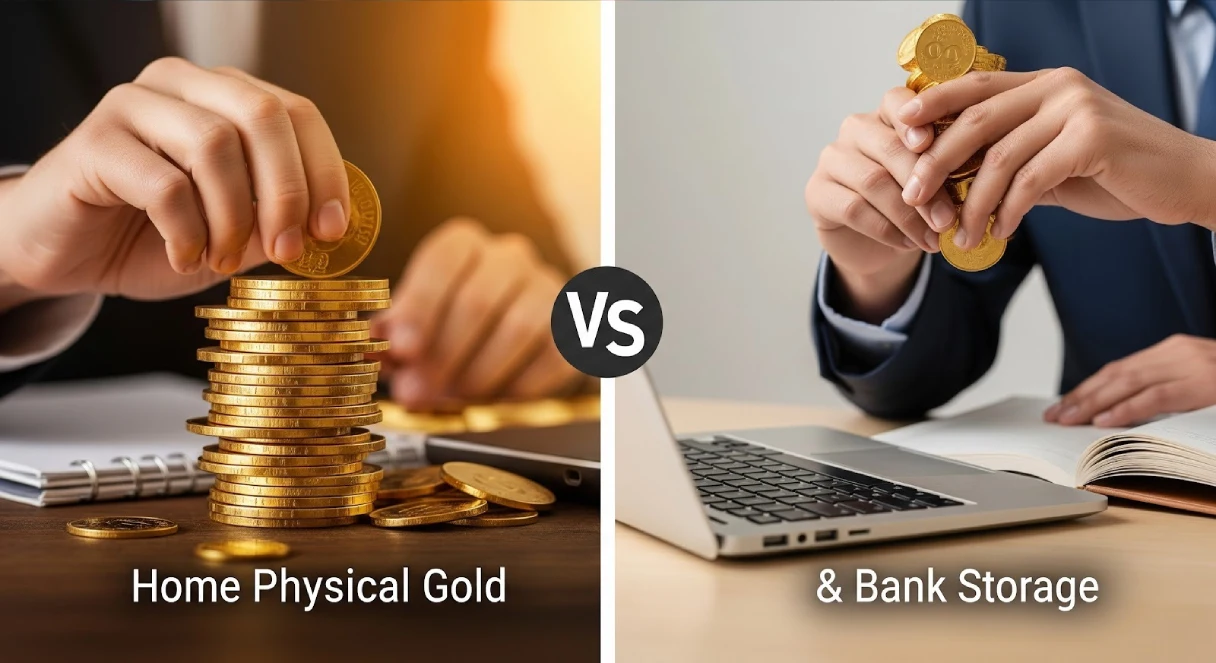
Purchasing physical gold is comforting to many individuals—it is tangible, it is limited, and it does not depend on an application being online. But once it is in your hands, you face a new question: where should it live?
The “best” answer does not exist, since peace of mind comes from aligning your storage option with your life, your risk tolerance, and the frequency with which you intend to use your gold. We will go through the pros and cons of keeping gold at home, keeping it exclusively at the bank, and a couple of intelligent hybrids that remain unknown to many.
Step one: Compare storage to what has been purchased (and why)
The needs of all gold owners are not equal. A person who has a few small coins to save over a long period will store them differently than a person who is stacking bigger piles of bars that they hardly intend to touch.
It is also useful to consider your buying pattern. When you are making occasional purchases with a local dealer such as Gold Coast Bullion, you will be interested in a storage system that is easy to maintain over time—one that helps preserve the packaging, keeps records organized, and requires very little handling.
This can be simply put in the following way: the more you buy or sell, the more you will be concerned about convenient access and good organization. The more “set and forget” the strategy, the more you will focus on the highest physical security, as opposed to speed.
Keeping gold at home: the convenience of on-demand (and the burden)
Home storage is attractive since it is immediate. There is no permission required, no need to wait for business hours, and no need to leave assets to an institution to do the right thing in times of disruption.
That said, home storage is only as good as your configuration and your routines. The largest domestic storage dangers are not Hollywood-style thefts, but mundane robberies, idle chatter, and keeping valuables in obvious locations.
The following are realistic methods of risk reduction without complicating your life:
- Use a good quality safe which is bolted down and has suitable fire resistance.
- Store it in an inconspicuous place (avoid obvious safe places and leaving out signs of delivery).
- Restrict the knowledge of your possession of physical gold.
- Keep items in their storage containers so they are not handled too much or scratched (particularly coins).
- Maintain an inventory list kept distinctly separate from the gold.
However, home storage is accompanied by an unpleasant fact: you are the security system. If you commute, live with roommates, have maintenance workers in your apartment, or simply do not want the psychological burden of keeping valuables locked up, then home storage may be more worrisome than comforting.
The overlooked dimension of home storage: insurance and documentation
There is a wide belief that precious metals are covered by typical home insurance at full value. In reality, coverage may be restricted, require specific riders, or have strict documentation policies.
This does not imply that home storage is not a good option—it only means you have to look before you leap. In case you want to store gold at home, you should keep purchase receipts and clear photographs on file, stored safely (preferably not just on one device).
Also, think about how your household would respond to an emergency. If anything happened to you, would a person you trust know how to retrieve the gold in a safe and legal manner—without broadcasting it to everyone?
Gold in the bank: very good physical security, reduced day-to-day anxiety
Bank storage can be a mature choice: heavy vault doors, restricted access, and fewer temptations to check your safe-deposit box every week. That is precisely the point for many individuals; it cuts down the daily mental load of securing valuables at home.
The trade-off is access. You are usually required to visit during working hours, stick to the bank’s processes, and accept the fact that you cannot get your gold immediately during a weekend or holiday.
If you are focused on long-term holding and hardly ever expect to touch the gold, then having it stored in the bank will feel extremely comfortable. You put it in, seal it, and continue with your life.
What to consider prior to selecting a bank option
A bank safe deposit box may be a good fit for gold holders, but it is not a decision to make blindly. Banks and locations may have different policies, availability, and practical limitations, so it is better to ask specific questions before committing.
Pay attention to the aspects that impact real-life peace of mind:
- Access control and identification requirements.
- Procedures in case of lost keys or if authorized access is required for a spouse/partner.
- Prices, box sizes, and the availability of sizes on a regular basis.
- The limitations set by the bank regarding stored contents.
- The bank’s liability description and the insurance (if any) provided.
Another fact that you must pay attention to: you will need a transportation plan. The most vulnerable moment is the “in-between”—the transit between the place of purchase and the storage facility. Remaining calm and routine (no flashy packaging, no needless stops, no telling people) is just as important as the choice of storage.
A mixed response that usually seems most appropriate
If you’re torn, you’re not alone. A hybrid strategy is something many gold owners use, as it provides both faster access and increased off-site security.
As an illustration, you can keep a small amount at home for emergencies but hold most of it off-site for safekeeping. This lessens the risk at a single location, making both options feel less dramatic.
A middle way is also possible if you shop occasionally. New purchases can be stored in a predictable and secure routine at home and then transferred in batches to more permanent storage. That saves a lot of traveling and keeps your system organized.
A simple decision checklist

To have a fast resource like a gut-check decision tool, use the following:
Select home storage if you care about:
- Immediate access
- Privacy from institutions
- Full personal control
- A storage cycle that you are sure to maintain
Select bank storage if you prioritize:
- Good physical security infrastructure
- Reduced personal responsibility
- Minimum handling and long-term holding
- Less exposure to opportunistic home theft
Choose a hybrid if you want:
- Certain access in emergencies and better long-term coverage
- Less concentration of risk
- Ease as your possessions increase
There is no prize for picking the most “hardcore” choice. The optimal condition is the one you can maintain consistently, without questioning yourself every time you step out of the house.
In conclusion, peace of mind is not a place but a system
Physical gold storage is not merely a question of physical placement, but rather a question of creating a simple, repeatable system you trust. Home storage can provide invincible access and control; however, it requires good habits and intelligent security. Bank storage decreases personal responsibility and enhances physical security, but you lose the ability to flex and access your assets immediately.
If you must make a decision now, begin on a small scale: choose the alternative that keeps you calm this month and improve on it as your assets and comfort level increase. And when you have decided, there is no harm in reviewing the choice later, as storage strategies should evolve alongside your life.