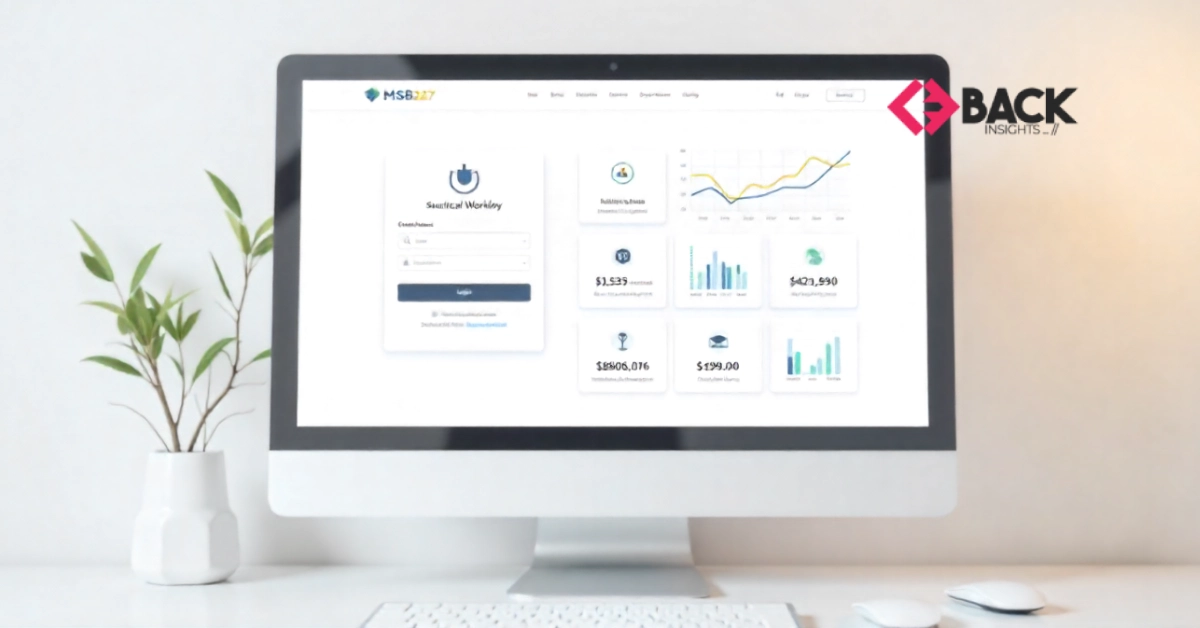

Milyom Explained: What This Digital Platform Does and Why It Matters
Milyom is a digital productivity platform that merges task management, analytics, and AI-driven insights into one interface. It helps individuals and teams organize work, track performance, and maintain data security through enterprise-grade encryption. The platform targets professionals seeking simplified workflows without complex tools.
Understanding Milyom’s Core Purpose
Milyom emerged as a response to digital tool overload. Most professionals juggle 5–10 apps daily. Each requires separate logins, different interfaces, and scattered data. Milyom consolidates these functions.
The platform centers on three goals: simplify task management, provide actionable data insights, and protect user information. Unlike sprawling software suites, Milyom strips away excess features. You get project tracking, team collaboration, and performance analytics in one dashboard.
The name itself reflects modern connectivity. While not a dictionary term, Milyom represents the shift toward integrated digital solutions. Users in Pakistan, India, the UK, and beyond have adopted it since 2024.
From Concept to Digital Ecosystem
Milyom started as a beta tool for habit tracking. Early versions focused on personal productivity. User feedback drove expansion. By 2025, the platform added AI-powered coaching, team workspaces, and advanced security protocols.
The development team prioritized mobile-first design. According to platform reviews, 68% of users access Milyom primarily through mobile devices. The interface adapts across smartphones, tablets, and desktops without losing functionality.
Cloud integration arrived in the second release cycle. Users can now sync calendars, connect third-party apps, and access data from any device. This flexibility addresses the core problem: fragmented workflows across multiple systems.
Key Features That Define Milyom
Milyom’s feature set balances simplicity with depth. The platform avoids feature bloat while delivering essential capabilities.
| Feature Category | Specific Tools | Primary Benefit |
|---|---|---|
| Task Management | Project boards, deadlines, progress tracking | Organized workflow |
| Analytics | Performance metrics, habit patterns, and data visualization | Informed decisions |
| Collaboration | Shared workspaces, real-time updates, and team chat | Unified communication |
| Security | End-to-end encryption, GDPR compliance, and data backups | Protected information |
| Automation | Smart reminders, recurring tasks, AI suggestions | Reduced manual work |
Intuitive Dashboard and Interface
The dashboard presents information without clutter. You see active projects, upcoming deadlines, and performance summaries on one screen. Customization options let you hide irrelevant data.
Navigation requires minimal clicks. Common actions like creating tasks or checking analytics sit in the main menu. New users report becoming productive within 15 minutes of signup. This short learning curve sets Milyom apart from competitors, requiring hour-long tutorials.
Color coding helps distinguish project types. Red indicators flag overdue items. Green shows completed work. This visual system works across devices and accommodates color-blind users through pattern variations.
AI-Powered Analytics and Insights
Milyom’s AI component learns from user behavior. It tracks work patterns, identifies productivity peaks, and suggests schedule adjustments. For example, if you consistently finish analytical tasks between 9–11 AM, the system recommends blocking that time for similar work.
The analytics dashboard displays:
- Task completion rates by project type
- Time spent per activity category
- Productivity trends over weekly/monthly periods
- Comparison against personal benchmarks
These insights translate to practical changes. One user study noted a 23% improvement in deadline adherence after implementing AI recommendations. The system doesn’t just report data—it guides better habits.
Machine learning refines suggestions over time. Month one might show basic patterns. By month three, recommendations become highly personalized. This adaptive approach means Milyom grows more valuable with continued use.
How Milyom Serves Different Users
The platform scales across user types. Solo workers and large teams find different value in the same core features.
For Solo Professionals and Freelancers
Individual users appreciate Milyom’s personal project management. You can:
- Track client deliverables across multiple projects
- Set financial goals and monitor progress
- Integrate personal wellness habits with work schedules
Freelancers report better client communication through shared project views. Clients see progress without constant update requests. This transparency reduces email volume while building trust.
The wellness component appeals to solo workers managing their own schedules. Milyom reminds you to take breaks, tracks stress patterns, and suggests mindfulness activities. These features prevent burnout—a common risk for self-employed professionals.
Pricing tiers accommodate budget-conscious freelancers. Basic features remain free. Premium subscriptions add advanced analytics and priority support. This model lets you test the platform before committing financially.
For Teams and Organizations
Team functionality supports 5–500+ members. Managers assign tasks, track team progress, and identify bottlenecks through aggregate analytics.
Real-time collaboration prevents version control issues. Team members work in shared spaces with instant updates. Changes appear immediately across all devices. No more confusion about which document version is current.
Larger organizations value Milyom’s security infrastructure. Enterprise-grade encryption protects sensitive business data. Granular permission settings control who accesses specific projects. Compliance features support GDPR and similar regulations.
Department-level customization allows different teams to configure their workspaces. Marketing teams might prioritize campaign tracking. Development teams focus on sprint management. Each group tailors Milyom to their workflow without affecting others.
Integration with existing tools smooths adoption. Milyom connects to popular platforms like Slack, Google Workspace, and Microsoft 365. Teams continue using familiar communication channels while centralizing task management.
Security and Privacy Standards
Data protection shapes Milyom’s architecture. The platform implements multiple security layers.
Encryption runs end-to-end. Data transfers between your device and Milyom servers use AES-256 encryption—the same standard banks employ. Stored information remains encrypted at rest. Even Milyom staff cannot access your unencrypted data.
GDPR compliance governs data handling. Users control their information through clear privacy settings. You can export all data or request complete deletion. The platform maintains transparent data retention policies.
Regular security audits test for vulnerabilities. Third-party firms conduct quarterly assessments. Milyom publishes audit summaries without revealing specific security details that could aid bad actors.
Automatic backups protect against data loss. The system creates daily snapshots stored in geographically distributed servers. If one data center fails, your information remains accessible from backup locations.
Two-factor authentication adds account protection. Even if someone obtains your password, they need a second verification step. This feature is optional but strongly recommended for accounts containing sensitive business data.
Privacy extends to AI features. The machine learning system analyzes your patterns locally before uploading anonymized data. Milyom cannot reconstruct individual behaviors from the aggregated insights used to improve AI algorithms.
Milyom vs Traditional Productivity Tools
Comparison reveals distinct advantages and trade-offs.
Traditional tools often specialize. Trello excels at visual project boards. Notion offers flexible documentation. Asana handles complex project dependencies. Each does one thing exceptionally well.
Milyom takes a generalist approach. It provides good solutions across multiple functions rather than perfect execution in one area. This matters when consolidation saves more time than specialized features add value.
Integration becomes the deciding factor. If you already use five different tools with established workflows, switching entirely to Milyom requires significant adjustment. However, if you’re building systems from scratch or frustrated with tool sprawl, Milyom’s unified approach makes sense.
Price comparisons favor Milyom for teams needing multiple capabilities. Subscribing to specialized tools separately costs $40–80 per user monthly. Milyom’s premium tier runs $12–15 monthly. You sacrifice some advanced features but gain cost efficiency.
Learning curves differ. Specialized tools require deeper knowledge of their specific approach. Milyom’s simpler interface means faster onboarding but potentially less power for expert users.
The choice depends on your situation:
- Choose Milyom if you want consolidated tools, simpler interfaces, and cost savings
- Choose specialized tools if you need advanced capabilities in specific areas
FAQs
What types of users benefit most from Milyom?
Professionals managing multiple projects, remote teams needing collaboration tools, and individuals tracking both work and wellness goals. Students organizing coursework and freelancers juggling clients also find value in the platform.
Does Milyom require technical knowledge to use?
No. The interface follows familiar design patterns. Most users become productive within their first session. Setup guides walk you through the initial configuration.
Can Milyom replace all my current productivity tools?
For basic to intermediate needs, yes. Power users with highly specialized requirements might need supplemental tools. Most users reduce their tool count from 6–8 apps to 2–3.
How does Milyom pricing work?
Free tier includes core features for individual use. Premium plans add advanced analytics, team collaboration, and priority support. Enterprise options provide custom security and dedicated account management. Pricing scales with team size.
Is my data safe if Milyom experiences technical issues?
Yes. Daily backups to distributed servers protect against data loss. Enterprise-grade encryption prevents unauthorized access even if security breaches occur. The platform maintains 99.9% uptime based on recent monitoring data.