
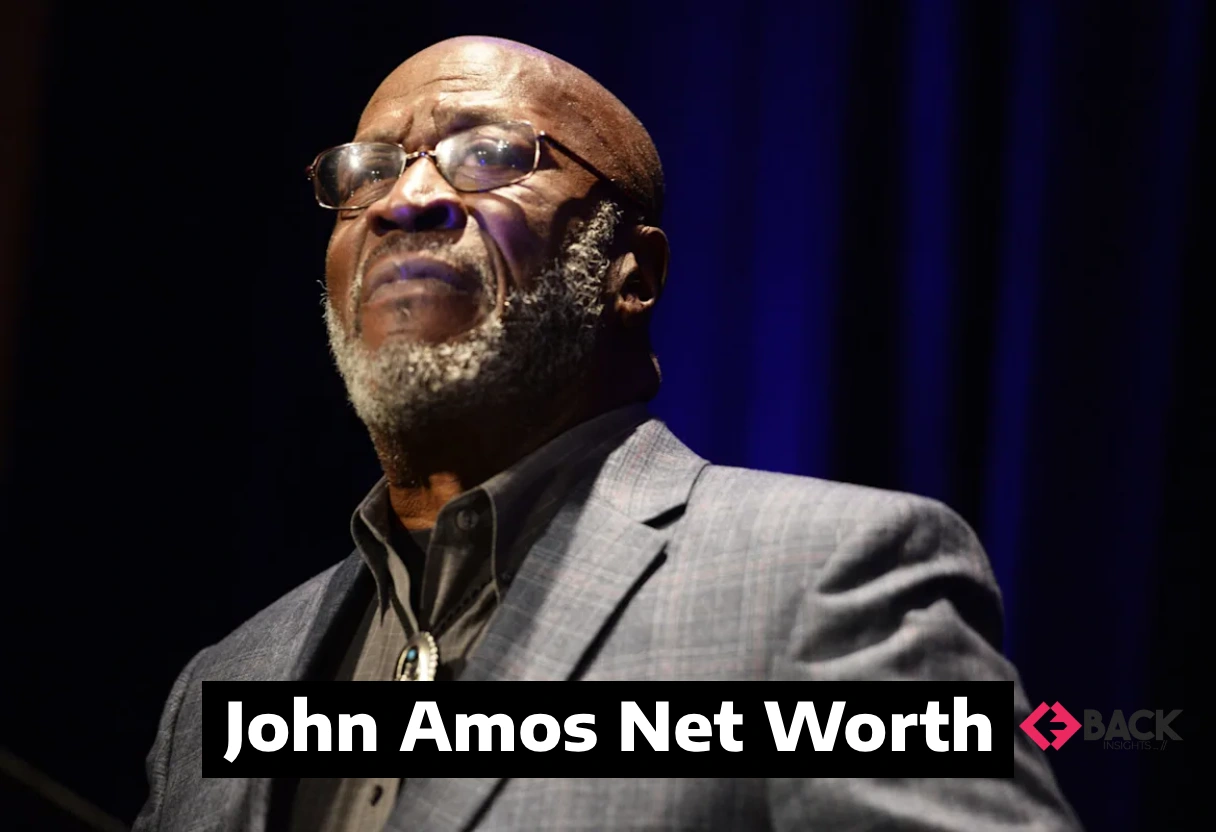
John Amos Net Worth: The Untold Story Behind a TV Legend
When John Amos passed away in August 2024, fans worldwide mourned the loss of a television icon. The man who brought James Evans Sr. to life on “Good Times” and portrayed the unforgettable Kunta Kinte in “Roots” left behind a legacy that touched millions. Yet, his john amos net worth at the time of his death surprised many who assumed such a storied career would guarantee substantial wealth.
The reality? Despite five decades in Hollywood, John Amos had a net worth of $300,000 at the time of his death. This modest figure raises questions about the entertainment industry, financial challenges, and what happens when talent doesn’t always translate into lasting wealth.
What This Article Covers: You’ll discover how John Amos built his career from college football to becoming one of television’s most respected actors. We’ll examine his most famous roles, the financial struggles he faced, and what his story teaches us about the economics of show business.
Featured Snippet: John Amos Net Worth
John Amos, the American actor best known for “Good Times” and “Roots,” had a net worth of $300,000 at his death on August 21, 2024. Despite a 50-year career in television and film, Amos faced real estate foreclosure and financial difficulties that affected his wealth.
Early Life: From Football Fields to Soundstages
John Allen Amos Jr. was born on December 27, 1939, in Newark, New Jersey, to auto mechanic John Amos Sr. and his wife Annabelle. Growing up in East Orange, he showed early promise in athletics.
After graduating from East Orange High School in 1958, Amos attended Long Beach City College before earning a sociology degree from Colorado State University, where he played football and became a Golden Glove boxing champion.
His sports career seemed promising. In 1964, Amos signed with the Denver Broncos but was released on the second day of training due to a pulled hamstring. He played for several minor league teams before briefly joining the Kansas City Chiefs in 1967.
When football didn’t work out, Amos pivoted to entertainment. The decision would change television history.
Television Breakthrough and Career Highlights
The Mary Tyler Moore Show
Amos first gained recognition playing weatherman Gordy Howard on “The Mary Tyler Moore Show” from 1970 to 1973. This recurring role opened doors in Hollywood and caught the attention of producer Norman Lear.
Good Times: A Cultural Milestone
His best-known role came as James Evans Sr. on the CBS sitcom “Good Times,” which he starred in from 1974 to 1976, appearing in 61 episodes. The show featured one of television’s first Black two-parent families living in a Chicago housing project.
Amos took the role seriously. He sought to provide a positive image of an African-American family doing its best while living in a poor neighborhood. However, creative differences emerged.
Amos became increasingly dissatisfied with how the show’s comedy often undercut its premise and clashed with the show’s writers, leading to his dismissal in 1976. This departure, while principled, cost him steady income during the show’s peak popularity.
Roots: Emmy-Nominated Performance
In 1977, Amos starred in the ABC miniseries “Roots” as the adult Kunta Kinte, earning an Emmy nomination for his performance. The role became his signature dramatic work and demonstrated his range as an actor.
Later Career Success
Amos continued working steadily through the decades:
- “The West Wing” as Admiral Percy Fitzwallace
- “The District” in a co-starring role
- Guest appearances on “The Fresh Prince of Bel-Air,” “Two and a Half Men,” and “The Ranch”
- Films including “Coming to America” (1988), “Die Hard 2” (1990), and “Coming 2 America” (2021)
John Amos Net Worth Breakdown
| Category | Details |
|---|---|
| Net Worth at Death | $300,000 |
| Primary Income | Acting in TV shows and films |
| Career Span | 1970-2024 (54 years) |
| Major Roles | “Good Times,” “Roots,” “The West Wing” |
| Real Estate Loss | Home purchased for $337,000, sold in foreclosure for $288,000 |
Why Was John Amos’s Net Worth So Low?
Several factors contributed to his modest financial standing:
Real Estate Troubles
In 1990, Amos purchased a home in Lebanon, New Jersey for $337,000. He listed it for sale in December 2016 for $439,000 but found no buyer. Two years later, the home slipped into foreclosure. The property sold for $288,000 in 2021, representing a significant loss.
Career Interruptions
Being fired from “Good Times” during its peak meant missing out on years of steady income and potential residuals. While his principled stand earned respect, it had financial consequences.
Industry Economics
Television and film work can be unpredictable. Between major roles, actors often face dry spells. Unlike today’s streaming residuals, older television contracts didn’t always provide ongoing income.
Alleged Financial Issues
In June 2023, Amos’s daughter Shannon set up a GoFundMe with a goal of raising $500,000 to support him, claiming he had been a victim of elder and financial abuse.
Amos responded to his daughter’s claims, refuting them and questioning why a GoFundMe had been established. The public dispute highlighted potential family tensions and raised questions about his finances.
Career Earnings and Income Sources
Amos earned money through multiple channels:
Television Work: His primary income came from series regular roles and guest appearances. While exact figures aren’t public, 1970s television salaries were modest compared to modern standards.
Film Appearances: Movies like “Coming to America” provided additional income, though supporting roles typically earn less than starring parts.
Theater: Amos wrote and performed his one-man play “Halley’s Comet” internationally. He also appeared in Broadway productions, including August Wilson’s “Gem of the Ocean.”
Royalties and Residuals: Ongoing payments from reruns would have provided some income, though these decrease over time.
Comparing John Amos’s Wealth to Other Actors
The $300,000 figure stands in stark contrast to other television stars from similar eras. Many sitcom actors from the 1970s accumulated millions through residuals and continued work.
Several factors explain the difference:
- Career Interruptions: Being fired from “Good Times” cost him years of steady work
- Contract Terms: Earlier television contracts offered less favorable residual arrangements
- Role Types: Supporting and character roles typically earn less than lead positions
- Financial Management: Personal spending and investment decisions impact long-term wealth
The Entertainment Industry’s Financial Reality
John Amos’s story illustrates harsh truths about show business:
Not All Success Equals Wealth: Critical acclaim and cultural impact don’t guarantee financial security. Many respected actors struggle financially despite influential careers.
Timing Matters: Working primarily in the 1970s and 1980s meant different compensation structures than today’s entertainment landscape.
Residuals Vary: Older shows generate less residual income than modern productions with streaming deals.
Career Longevity Challenges: Maintaining consistent work over decades proves difficult, especially for actors of color who faced limited opportunities.
John Amos’s Cultural Impact Beyond Money
While his john amos net worth was modest, Amos’s cultural contributions were immense:
Representation: He portrayed strong Black father figures when television rarely showed them. James Evans Sr. became a role model for millions.
Artistic Integrity: His willingness to leave “Good Times” over creative differences showed commitment to authentic portrayals over paychecks.
Pioneering Work: “Roots” helped change American conversations about slavery and history. His performance reached an estimated 130 million viewers.
Industry Advocacy: Amos fought for better roles and accurate representations of Black families, paving the way for future actors.
Awards and Recognition
Throughout his career, Amos received several honors:
- Emmy nomination for “Roots” (1977)
- Three TV Land Awards for “The Mary Tyler Moore Show,” “Good Times,” and “Roots”
- NAACP Award for Best Actor in the play “Split Second” (1985)
- Inducted into the New Jersey Hall of Fame (2020)
These accolades recognized his talent, even if they didn’t translate into significant wealth.
Personal Life and Family
Amos married artist and equestrian Noel Mickelson in 1965, and they had two children: Shannon and K.C. Amos. The couple divorced in 1975. He later married actress Lillian Lehman in 1978, but that marriage also ended in divorce.
His children followed creative paths. K.C. works as a director, writer, and producer. Shannon is also involved in production and directing.
Final Years and Death
John Amos died on August 21, 2024, at age 84. In an unusual circumstance, his death was not publicly announced until October 1, 2024, when his son finally made the announcement more than a month later.
The delay sparked confusion and concern among fans. It also highlighted family tensions that had become public through the 2023 GoFundMe controversy.
Frequently Asked Questions
What was John Amos’s net worth when he died? John Amos had a net worth of $300,000 at his death in August 2024.
Why was John Amos fired from Good Times? Amos was fired after clashing with writers over storylines he felt were inauthentic to Black characters.
Did John Amos win an Emmy? He received an Emmy nomination for “Roots” but did not win. He won three TV Land Awards instead.
What happened to John Amos’s house? His Lebanon, New Jersey home went into foreclosure and sold for $288,000 in 2021, less than his $337,000 purchase price.
How long was John Amos’s acting career? Amos worked in entertainment for over 50 years, from his first major role in 1970 until his death in 2024.
Lessons from John Amos’s Financial Journey
His story offers important takeaways:
Talent Doesn’t Guarantee Wealth: Exceptional ability and cultural impact don’t automatically translate into financial security.
Financial Planning Matters: Even successful entertainers need careful money management. Real estate losses and alleged financial exploitation affected his wealth.
Industry Changes: Entertainment compensation has evolved. Modern streaming deals and residual structures differ significantly from 1970s television contracts.
Advocacy Costs: Standing up for principles sometimes means sacrificing income. Amos chose artistic integrity over steady paychecks.
Long-Term Security: Building lasting wealth requires strategic planning beyond earning from current work.
Conclusion
John Amos left an indelible mark on American television. His portrayal of James Evans Sr. showed millions what strong, principled Black fatherhood looked like. His Kunta Kinte in “Roots” helped educate a nation about its history. Yet his john amos net worth of $300,000 reminds us that financial success and cultural significance don’t always align.
His legacy transcends bank accounts. The conversations his roles sparked, the doors he opened for other actors, and the authentic representation he fought for matter far more than dollars. John Amos proved that true wealth isn’t always measured in money.
For aspiring entertainers, his story offers both inspiration and caution. Success requires talent, perseverance, and often the courage to stand up for what’s right. But it also demands smart financial planning, because even legendary careers can face unexpected challenges. John Amos gave us unforgettable performances. That gift to culture and history remains priceless.