

Hitsujikai Arupaka: Japan’s Alpaca Experience
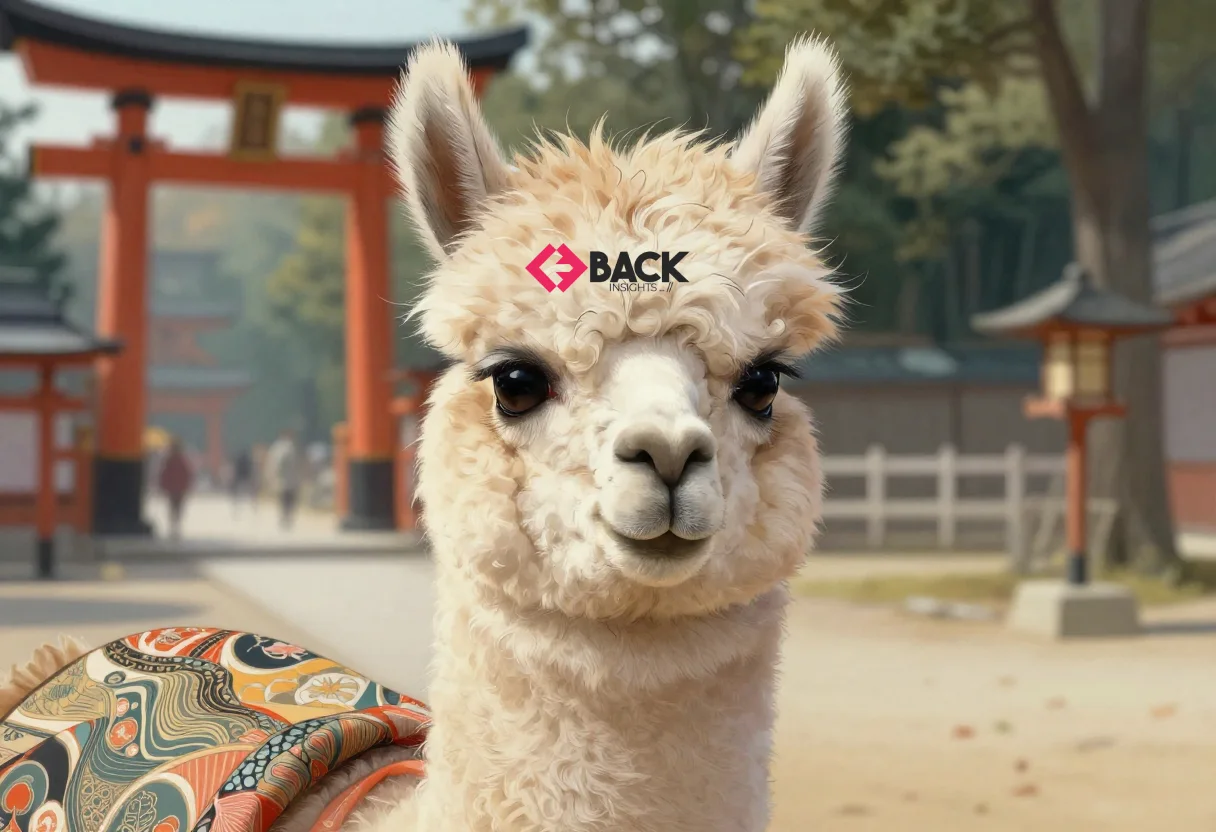
Picture yourself on a hillside in rural Japan, surrounded by fluffy alpacas with their trademark gentle eyes and curious personalities. This is the world of Hitsujikai Arupaka, a term that captures both a concept and an experience that has become increasingly popular across Japan.
The phrase translates directly from Japanese as “Shepherd Alpaca” (羊飼いアルパカ), representing the growing phenomenon of alpaca farming and tourism in a country thousands of miles from these South American creatures’ natural habitat. What started as a novel experiment in 1999 has grown into a beloved attraction that draws hundreds of thousands of visitors each year.
This guide covers everything you need to know about Hitsujikai Arupaka. You’ll discover what makes these farms special, where to find them across Japan, what to expect during your visit, and practical tips for making the most of your alpaca encounter.
What Is Hitsujikai Arupaka?
Hitsujikai Arupaka refers to both the concept of alpaca shepherding in Japan and the various farms that care for these gentle animals. The term combines “hitsujikai” (shepherd) with “arupaka” (the Japanese word for alpaca), reflecting the ancient practice of tending these creatures adapted to modern Japanese tourism.
Alpacas are native to the high-altitude regions of Peru and Bolivia, living at elevations between 3,000 and 5,000 meters. These camelid relatives are prized for their soft, hypoallergenic fleece and calm temperament. Japan’s introduction of alpacas began when 200 animals arrived on a chartered flight from Peru in 1999, establishing the foundation for what would become a popular agritourism industry.
The Cultural Significance
The connection between shepherds and alpacas runs deep in Andean culture. In the Quechua language, traditional alpaca herders were known as “llamichos.” These individuals held extensive knowledge passed down through generations about caring for these animals.
Japan’s adaptation of this practice represents a modern interpretation. Rather than focusing on wool production, Japanese alpaca farms prioritize animal welfare, education, and providing visitors with therapeutic animal encounters. The farms have become spaces where people can escape urban life and connect with nature through these gentle creatures.
History of Alpaca Farming in Japan
The story of alpacas in Japan began with a vision to create a unique attraction near Tokyo. Recognizing that Japanese visitors were largely unfamiliar with these animals, farm developers sought a location with suitable climate conditions.
The Nasu Pioneer
The Nasu Plateau in Tochigi Prefecture became home to Japan’s first alpaca farm in 1999. Located about 1,000 meters above sea level, the area’s winter temperatures drop to -15°C, closely mimicking the alpacas’ Andean homeland. The initial 200 alpacas thrived and multiplied, eventually growing to 400 animals spread across 25,000 square meters.
The Peru Alpaca and Llama Breeders’ Organization (SPAR) recognized the facility as raising “the world’s friendliest alpacas,” a testament to the careful socialization and care provided by Japanese handlers.
Growth Across Japan
Following Nasu’s success, additional farms opened across the country:
- Yatsugatake Alpaca Farm (Nagano): Established at 1,000 meters elevation with 23 alpacas and weekly shows
- Yamakoshi Alpaca Farm (Niigata): Created after a 2004 earthquake as a community healing project, starting with three donated alpacas from Colorado
- VIVA Alpaca Farm (Hokkaido): Known for exceptional animal care and beautiful natural surroundings
- Various smaller operations throughout Chiba, Biei, and other regions
A 2008 Japanese commercial featuring an alpaca sparked nationwide interest, transforming these animals from curiosities into beloved attractions. Today, alpaca farms remain popular destinations for families, animal lovers, and tourists seeking unique experiences.
What Makes These Farms Special
Japanese alpaca farms distinguish themselves through several key features that prioritize both animal welfare and visitor experience.
Ethical Tourism Focus
Unlike commercial alpaca operations in South America, Japanese farms exist primarily for tourism and education rather than wool or meat production. The animals receive daily care from trained staff and live in spacious environments designed for their comfort. Veterinary oversight ensures their health, and breeding programs maintain genetic diversity.
Interactive Experiences
Visitors can engage with alpacas in ways rarely available elsewhere:
Feeding sessions allow guests to offer vegetables and special feed while learning about alpaca dietary needs. The animals’ gentle nature makes these encounters safe for children.
Walking experiences let you stroll alongside alpacas on leashes through farm grounds. This activity requires supervision and typically costs an additional ¥300-500 for 10-15 minutes.
Photo opportunities abound, with many farms featuring celebrity alpacas trained to pose wearing hats or carrying baskets. The animals’ naturally photogenic appearance, with upturned mouths that resemble smiles and large expressive eyes, creates perfect photo moments.
Educational Value
Farms provide information about alpaca origins, biology, behavior, and the traditional shepherding practices of Andean cultures. Many feature bilingual guides who can explain alpaca care in Japanese and English. Children learn about animal husbandry, sustainability, and cross-cultural agricultural practices.
Therapeutic Benefits
Research suggests that spending time with alpacas provides stress relief and emotional support. Their calm demeanor, soft wool, and gentle interactions create a soothing atmosphere. Many visitors describe feeling relaxed and rejuvenated after their farm visits.
Top Alpaca Farms in Japan
| Farm Name | Location | Number of Alpacas | Special Features | Status |
|---|---|---|---|---|
| Nasu Alpaca Farm | Tochigi | 400 | Japan’s first; largest herd | Closed |
| Yatsugatake Alpaca Farm | Nagano | 23 | Weekly shows; mountain views | Open |
| VIVA Alpaca Farm | Hokkaido | Varies | Exceptional care; natural setting | Open |
| Yamakoshi Alpaca Farm | Niigata | Growing | Community healing project | Seasonal |
| Mother Farm | Chiba | Varies | Glamping; multiple animals | Open |
Yatsugatake Alpaca Farm
Located between Mount Amigasa and Mount Nyukasa, this farm offers stunning views of the Japanese Alps. The alpacas born and raised here are notably friendly, having been socialized with humans from birth. The farm hosts one of Japan’s few weekly alpaca shows, demonstrating natural behaviors and trained responses. Entry costs approximately ¥500-600, with additional fees for special activities.
VIVA Alpaca Farm
Situated in Kenbuchi, Hokkaido, this facility has earned praise from alpaca enthusiasts who’ve visited farms throughout Asia. Reviewers consistently note the exceptional condition of the animals and the beautiful natural environment. The farm offers live camera feeds, allowing interested visitors to watch the alpacas online before visiting. Summer activities include river rafting, while the on-site restaurant serves local jingisukan BBQ.
Yamakoshi Alpaca Farm
This farm carries special significance as a symbol of community resilience. After the devastating 2004 Chuetsu earthquake damaged Yamakoshi village, a Colorado donor sent three alpacas to help lift spirits. The community embraced the animals, and their presence helped draw visitors and attention to the rebuilding area. The farm operates seasonally from May to November.
Planning Your Visit
Best Times to Visit
Spring (March-May) offers mild weather, cherry blossoms, and the thickest alpaca coats. Shearing typically begins in late May, so early spring provides the best opportunity to see alpacas in full fleece.
Autumn (September-November) features comfortable temperatures, fall foliage, and active alpacas. The cooler weather makes walking activities more pleasant for both visitors and animals.
Summer sees slimmer alpacas after shearing. While still cute, they lack the characteristic fluffy appearance most visitors expect. Some farms close certain areas during extreme heat.
Winter brings cold conditions that alpacas tolerate well, but visitor facilities may have limited hours. Check ahead before planning winter visits.
Practical Information
Admission Costs:
- Adult entry: ¥500-800
- Children (4-12): ¥300-600
- Children under 4: Free at most farms
- Feeding baskets: ¥100-300
- Walking experiences: ¥300-500
Hours: Most farms operate from 10:00 AM to 4:00 PM with last entry at 3:30 PM. Some close on specific weekdays or during winter months.
Getting There: Farms are typically located in rural areas requiring car access. Public transportation options exist for major farms like Yatsugatake, but rental cars offer more flexibility.
What to Bring
- Comfortable walking shoes: Farm terrain can be uneven
- Weather-appropriate clothing: Most activities occur outdoors
- Camera: The alpacas provide endless photo opportunities
- Wet wipes or hand sanitizer: Hand-washing facilities may be limited
- Patience: Animals set the pace for interactions
Important Behavior Guidelines
Alpacas are generally calm, but certain behaviors can stress them:
- Move slowly and speak quietly
- Let alpacas approach you rather than chasing them
- Never grab or pull their wool
- Respect their space if they move away
- Be prepared for spitting if an alpaca feels threatened or is competing for food
- Follow staff instructions regarding feeding and handling
The Alpaca Experience
Meeting the Animals
Your first sight of alpacas will likely surprise you. Standing 3-4 feet tall at the shoulder with long necks, they resemble a cross between sheep and camels. Their large eyes provide excellent peripheral vision, and their curious nature means they’ll often approach to investigate visitors.
Each alpaca has distinct personality traits. Some are outgoing and food-motivated, eagerly approaching anyone with treats. Others are shy, preferring to observe from a distance. Farm staff usually can identify individual alpacas and share their unique characteristics.
Understanding Alpaca Behavior
Humming: Alpacas communicate through humming sounds, especially between mothers and babies. This gentle vocalization creates a soothing farm atmosphere.
Body language: Ears forward indicates curiosity or alertness. Ears back suggests annoyance or submission. Tail raised signals alarm or excitement.
Spitting: While alpacas can spit, they rarely target humans. Spitting primarily occurs during feeding competition or when animals feel threatened. If an alpaca does spit, it’s usually preceded by warning signs like ears pinned back.
Feeding Time
Most farms offer feeding baskets containing vegetables, hay, or special pellets. Alpacas have soft mouths and gently take food from your hand. They may crowd around popular feeding spots, so staff will guide you to distribute treats evenly.
Watch for adorable moments when alpacas extend their long necks to reach treats or when baby alpacas clumsily attempt to eat from your hand. The experience provides insight into their social hierarchy as dominant animals claim prime feeding positions.
Beyond the Farm
Local Attractions
Many alpaca farms are located in areas with additional tourist attractions:
- Nasu area: Hot springs, highland resorts, art museums
- Yatsugatake region: Hiking trails, Suntory Hakushu Distillery, panoramic views
- Hokkaido: Natural landscapes, dairy farms, lavender fields
- Niigata: Rice terraces, traditional villages, sake breweries
Souvenirs and Products
Farm gift shops offer alpaca-themed items including stuffed animals, keychains, postcards, and clothing. Some farms sell products made from alpaca fiber, though these are often imported since Japanese farms don’t shear for commercial wool production.
Extended Experiences
Mother Farm in Chiba offers glamping accommodations where you can spend an entire weekend among alpacas and other farm animals. This extended format allows deeper connection with the animals through morning feedings and evening observations.
Cultural Context: The Character
The term Hitsujikai Arupaka also refers to a fan-fiction character described as a “pink llama-girl” heteromorph with alpaca traits. This character embodies the gentle, caring nature associated with alpacas, serving as a protective friend to her social circle. While not part of mainstream anime, this character represents the broader cultural appreciation for alpacas in Japanese pop culture and demonstrates how these animals have captured imaginations beyond agricultural contexts.
Frequently Asked Questions
Can young children visit alpaca farms? Yes. The farms welcome families, and alpacas’ gentle nature makes them suitable for supervised child interactions. Children under 4 typically enter free.
Do alpacas bite? Alpacas lack upper front teeth, making biting nearly impossible. They may mouth objects but cannot cause injury through biting.
Are alpaca farms open year-round? Most farms operate year-round with reduced hours in winter. Some smaller operations close during coldest months or operate seasonally. Check specific farm websites before visiting.
How long should I plan for a visit? Most visitors spend 1-2 hours at alpaca farms. This allows time for feeding, walking, photos, and browsing gift shops without rushing.
Is English spoken at the farms? Major farms have English-speaking staff or multilingual guides. Smaller operations may have limited English, but the hands-on nature of activities requires minimal verbal communication.
Conclusion
Hitsujikai Arupaka represents more than just a farming concept. It embodies Japan’s ability to adapt foreign elements into uniquely Japanese experiences that prioritize care, education, and connection. These farms provide spaces where urban dwellers can slow down, interact with gentle animals, and find moments of peace in natural settings.
Whether you’re an animal lover, a family seeking kid-friendly activities, or a traveler looking for off-the-beaten-path experiences, Japan’s alpaca farms offer memorable encounters. The combination of well-cared-for animals, beautiful natural locations, and thoughtful visitor experiences creates something special that extends beyond simple tourism.
The next time you find yourself in rural Japan, consider seeking out these shepherds and their fluffy charges. The therapeutic experience of spending time with alpacas might just become the highlight of your journey.
Featured Snippet: Hitsujikai Arupaka means “Shepherd Alpaca” in Japanese, referring to alpaca farms across Japan where visitors can feed, walk, and photograph these gentle South American animals. The first farm opened in 1999 with 200 alpacas from Peru, growing into a popular agritourism industry focused on animal welfare and visitor experiences.