
Essential Home Maintenance Tasks That Protect Your Investment
Don’t let your home fall into disrepair. You worked too hard to buy it.
Home maintenance is often the most neglected part of homeownership. People get busy. They think they’ll catch that problem tomorrow. Or next week. Or next year.
Except all those tomorrows add up. And then you’re forced to deal with those small issues when they’ve turned into giant repair bills.
Roof repair and replacement costs alone have increased by almost 30% since 2022.
The good news? Routine maintenance can prevent those financial gut punches. Here’s how to keep your house in tip-top shape without going crazy.
(Yes, there is such a thing as too much maintenance.)
Quick Navigation
- Why Home Maintenance is Important
- Areas Needing Special Attention
- Taking Care of Your Roof
- DIY Home Maintenance
- Hiring Professionals
- Conclusion
Why Home Maintenance is Important
Home maintenance isn’t all that different from changing the oil in your car.
Do it once or twice and no harm will come. Fail to change the oil for five years? Bang! Your engine blows.
Your house works the same way.
The exterior, roofing, foundation, plumbing, and HVAC are all systems. When one fails, others start to fail as well.
You don’t have to spend your entire weekend working on your house every Saturday. You should, however, complete basic upkeep and call a professional when you notice a problem.
Allowing those small problems to become large problems means spending thousands of dollars that you could have saved by taking care of things earlier.
Let’s take roof repair as an example.
Homeowners all over the country – especially those in the Pacific Northwest – know how essential it is to research roof repair options in Lacey before significant damage occurs. You don’t want to put off getting that leak checked because rain in this area can wreak havoc on your roof.
One small leak can turn into a:
- $500 roof repair
- $3,000 roof replacement
…and that $500 repair turns into $3,000 because you ignored the problem.
Easy maintenance protects your biggest investment.
- Prevents costly repairs
- Saves money
- Protects your family’s safety
- Increases your home’s value
Areas Needing Special Attention
As mentioned before, not all home maintenance tasks are created equal.
While you certainly should keep your house clean and paint every few years, we’re talking about the stuff that matters when it comes to maintaining your home’s value and preventing costly problems.
If you fail to keep these areas tidy, your wallet will weep.
Roof
Waterproofing your home begins with the roof. It’s your home’s first line of defense against rain, snow, ice, and wind.
If the roof fails, water makes its way into your insulation, ceilings and walls, furniture, and even your electrical systems.
Inside your house, everything from carpeting to drywall can become damaged by water intrusion.
HVAC
Heat, ventilation, and air conditioning systems should be inspected and maintained every year.
A poorly functioning furnace costs you money every time your heating system kicks on. It also won’t keep your house as warm.
Check those filters. Lubricate moving parts. Tighten electrical connections. Clean the coils.
Plumbing
Leaks lead to mold. Broken pipes can flood your home. Small issues become big time headaches.
The pipes behind your walls aren’t visible. Catching these problems before the pipes burst is critical.
Pay attention to what you see on the outside. If you spot an issue, call a professional right away.
Foundations & Drainage
Without proper grading and clean gutters, rainwater causes settling.
If your house settles, it can break your plumbing, impact your HVAC, and cause the dreaded cracked foundation.
Simple Home Maintenance Tips
Your roof is your home’s first line of defense against the elements. If your roof fails, you’ll soon find water everywhere.
Roof Repair Keeps Your Home Safe
Did you know that nearly 4 in 10 homes have roofs that industry experts classify as mediocre or poor?
That means that over 38% of homeowners are at risk for expensive roof repairs.
If you live in an area with heavy rainfall and frequent storms, preventative roof repair can’t start soon enough.
Roof Damage Cost Summary
Here’s what happens when your roof fails.
- Water leaks into your attic.
- The ceilings in your home become damaged.
- Water intrudes into your walls.
- Mold becomes a problem.
- Your furniture can become ruined.
…and that’s just what you see. Water can damage electrical sockets and even the framework of your house.
Knowing the warning signs of a damaged roof will help you determine if it’s time to repair or replace your roof.
Signs You Need to Repair Your Roof
- Lost or curling shingles
- Granules in your gutters
- Water spots on ceilings
- Light peeking through your attic boards
- Sagging sections of your roof
Make sure you know the other reasons why you might need a new roof too.
Don’t wait for rainwater to pool in your attic. Call a professional roofer to inspect your roof yearly.
DIY Home Maintenance
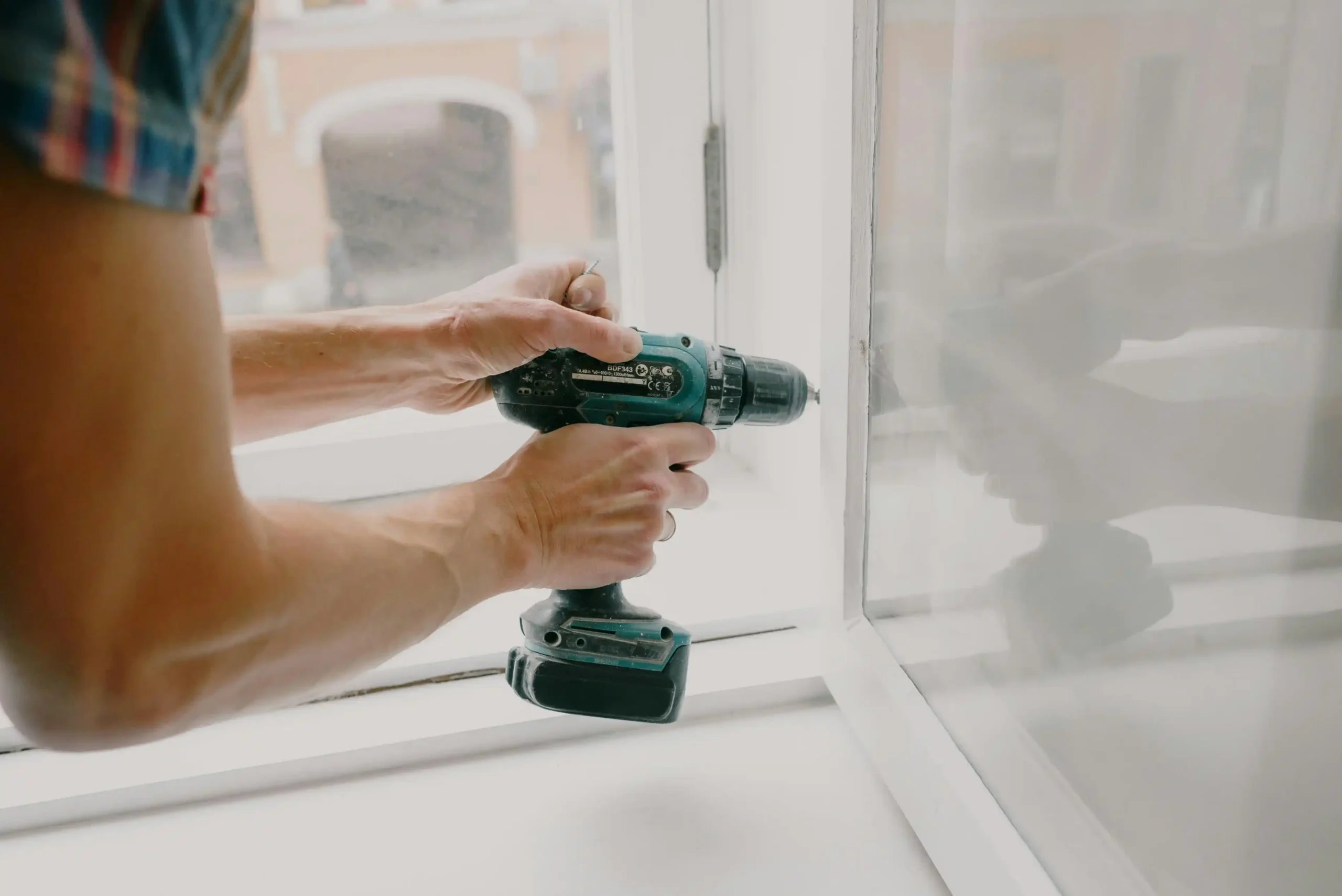
Granted, some maintenance jobs require a certified professional. But others are simple. Here’s where you can pick up a wrench and save some money.
Cleaning Your Gutters
Cleaning out your gutters is a pain. But it prevents water from overflowing and destroying your roof, fascia, siding, and foundation.
Replace HVAC Filters
Your HVAC filters should be changed every month or two. Dust and debris make your HVAC system work harder which costs you money.
Install Caulking & Weatherstripping
Want to save on energy bills and prevent moisture intrusion? Weatherstripping and caulk are cheap and easy to install.
Test your smoke detectors and CO alarms.
Change the batteries every year and test them monthly.
Inspect Your Water Heater
Rust, leaks, and sediment are all enemies of your water heater. Flush the tank yearly and save yourself the headache of going cold.
Professional Maintenance Saves You Money
When in doubt, call a professional.
They have insurance and experience for a reason.
The following maintenance tasks should be left to trained professionals.
Each presents its own dangers. From falling off your roof to electrocution, risk turns into reality when you try to be DIY MacGyver.
Roof Maintenance
Okay, yes, we already mentioned roofs.
But roof maintenance shouldn’t be done by homeowners. Sure, you can replace a few shingles. But most repair work requires experience and safety equipment.
House Washing
House washing sounds like a fun thing to do while the wife watches the kids.
It’s not.
Anyone off a roof is at risk for serious injury. Let a professional clean your house.
Plumbing
If you notice a problem, call a professional. Sure, banging on your pipes can stop a leaky faucet. But that’s about it.
Electricity
Unless you’re a licensed electrician, don’t touch your house’s wiring.
Full Home Inspection
Smoke detectors, HVAC systems, roofing, mold, and structural issues. There’s a lot to look at when you’re trying to maintain your home.
Home inspectors know what to look for. They’ll spot things you miss and keep your house in tip-top shape.
Don’t become THAT homeowner who ignores every recommendation.
Should you do absolutely everything your home inspector says?
Of course not.
But major issues should never be ignored.
Remember how we mentioned maintenance isn’t all that it’s cracked up to be?
This is it.
Your roof needs repair. The foundation has cracks.
Instead of addressing problems, you decide to save a little money and do the jobs yourself.
Tying Home Maintenance Together
OK, let’s recap.
Home maintenance is important because it allows you to protect your largest investment.
How?
By preventing costly problems.
Here are the basics:
- Don’t neglect your roof
- Don’t hesitate to spend money on professional maintenance
- DIY only the things you know how to do
- Create a home maintenance schedule
Maintaining your home is easy when you have a plan.
By spreading your tasks out throughout the year, home maintenance doesn’t become overwhelming.
Create your schedule around the four seasons. Spring cleaning came from a reason, you know.