
Why Bus Advertising Still Works in 2026 (And Why Brands Keep Using It)
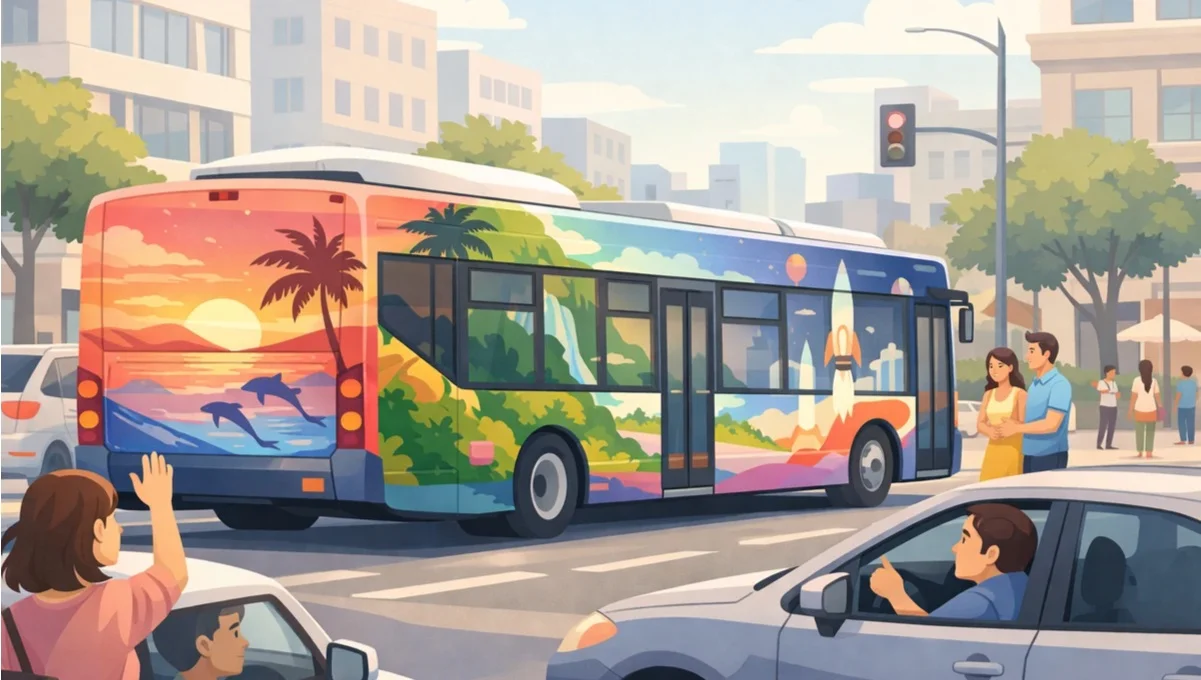
Skip the algorithm debates for a moment. Forget about click-through rates and vanishing impressions. Here’s a simple fact: 30 million people see an ad on a bus every single week in the UK. That’s not a typo. That’s just commuters, pedestrians, and drivers going about their lives, all encountering your brand message without needing to opt in or scroll past it.
Bus advertising has this strange staying power that nobody quite expected in 2026. You’d think that by now, with everyone glued to their phones and streaming services personalising everything, that seeing an ad painted on the side of a Number 17 would feel utterly pointless. Yet the numbers tell a completely different story.
The Raw Reach Is Genuinely Massive
Let’s start with what makes bus ads so difficult to ignore: sheer visibility. A single wrapped bus moving through a major city generates around 1.5 million impressions over just four weeks. That’s not a vanity metric either. These are real eyeballs from real people who can’t skip the ad, close the app, or block it with an ad blocker.
The audience isn’t some narrow slice of the population either. Bus passengers span income brackets, age groups, and lifestyles. Around 29% of UK adults spend at least an hour a week commuting by bus, and that includes everyone from students to senior executives. Unlike some advertising channels that target narrowly, buses reach across demographics in ways that feel almost democratic.
What’s particularly clever is that buses aren’t just static billboards. They move through different neighbourhoods daily. A single route might pass through wealthy suburbs, shopping centres, business parks, and residential areas, all in one journey. That kind of geographic flexibility, combined with the sheer volume of daily trips (over 3.5 billion bus journeys every year in England alone), creates unmatched coverage.
Memory Sticks Around (Unlike Digital Ads)
Here’s where bus advertising gets interesting psychologically. An overwhelming 86% of UK bus passengers can actually recall ads they’ve seen on buses or at bus shelters. Compare that to the fog of digital advertising, where you see hundreds of ads daily and remember almost none of them. The difference is striking.
Why? Repetition without annoyance plays a massive role. When you catch the same bus three times a week, you see the same ad repeatedly, but it feels natural because it’s part of your commute. You’re not being retargeted aggressively across seventeen different websites. The ad’s just there, consistent, part of your routine. Neuroscience backs this up: repeated exposure in familiar environments creates stronger memory traces than scattered digital impressions.
There’s also something about physical presence that digital channels struggle to replicate. Outdoor advertising activates brain regions associated with trust and authenticity. A brand that invests in a wrapped bus doesn’t feel like some fly-by-night operation. It feels established. Real. Legitimate. That trust factor matters enormously, especially if you’re a newer brand trying to prove you’re worth taking seriously.
The Cost Per Impression Is Genuinely Competitive
Run the numbers and bus advertising becomes even more appealing. A wrapped bus generating 1.5 million impressions at £4,000 works out to roughly £2.67 cost per thousand impressions. Bus shelter advertising in high-traffic locations? Around £3.33 per thousand impressions. Those figures compete favourably against most digital channels and broadcast media, without any of the bidding wars or algorithm changes that plague programmatic advertising.
You’re also paying for something that runs 24 hours daily for weeks or months. No daily limits. No budget depletion at 3pm because you’ve hit your impression cap. The ad works while your marketing team sleeps.
Location and Timing Matter
Smart campaign planning boils down to route selection and timing. Buses serving central business districts reach affluent professionals during morning and evening commutes. Routes through university areas connect with younger audiences. Suburban routes capture families and homeowners. Spring and summer see increased leisure travel, whilst November and December spike with retail journeys.
That’s why working with specialists in bus advertising makes sense. Strategic placement and timing transform a broad medium into something precisely targeted, even without the data tracking that digital channels offer.
Bus advertising works because it combines genuine reach with authentic recall in a medium people don’t resent. That’s not nostalgia talking. That’s just how human attention actually functions in 2026.